 United States
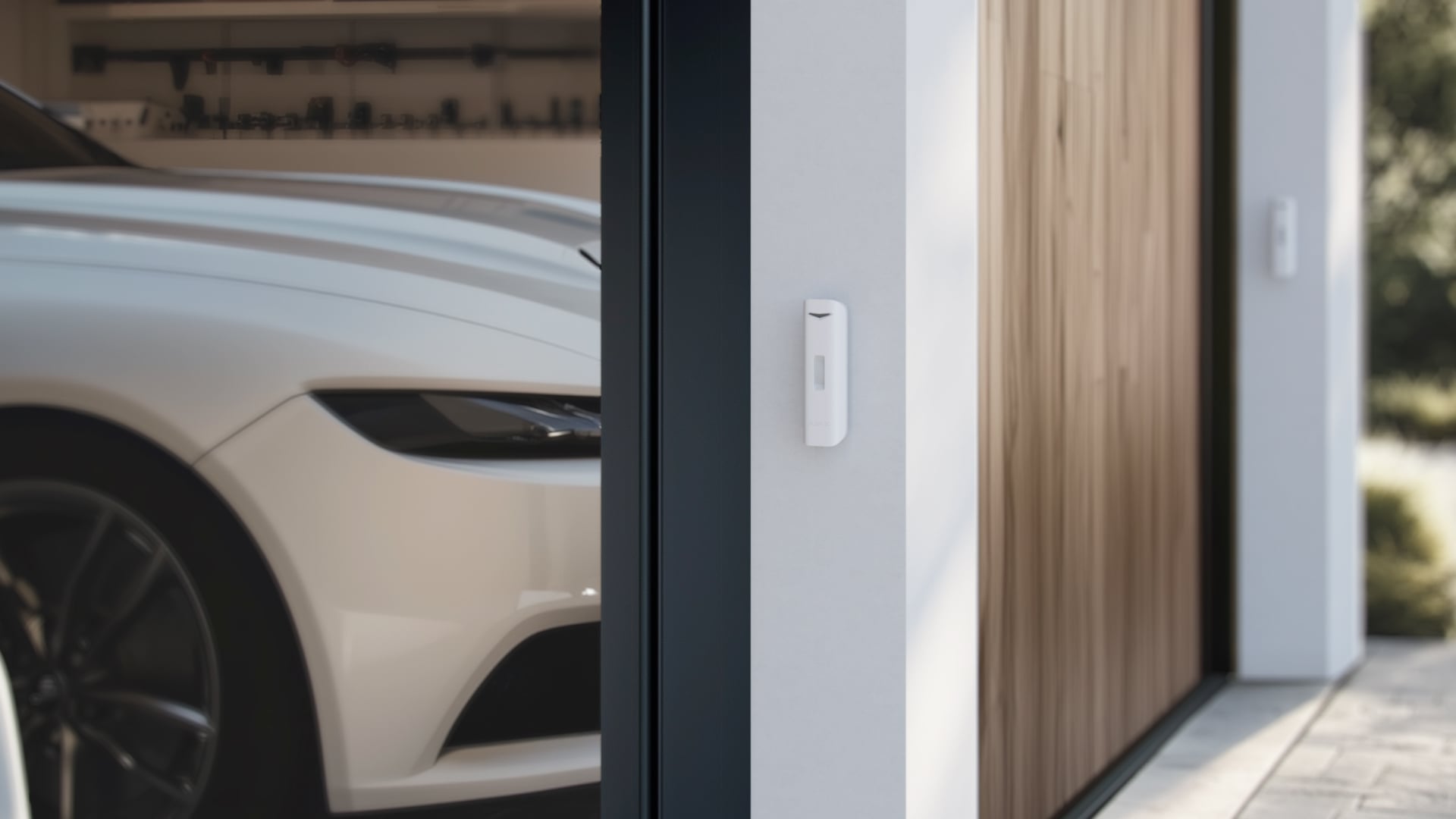
When setting up home security, one of the first decisions is which kind of system to choose. There are two approaches: "Do It Yourself" (DIY) and professional. Neither is universally better, but they're built on different foundations and come with genuinely different trade-offs. This article covers what each actually means, what they offer, and where each makes more sense.
What is a DIY home security system?
A DIY home security system is one you purchase and set up yourself, without the help of a certified installer. These systems are typically wireless, app-controlled, and modular — you choose the devices, place them where you think they're needed, and manage alerts through a smartphone.
The key characteristic isn't that no setup is required — every system needs to be configured correctly to work. It's that there's no professional involved in assessing the space, designing the coverage, or verifying the installation. The responsibility for all of that sits with the user. For someone confident and informed, that's fine. For someone who isn't, it often means gaps they won't notice until something happens.
DIY home security: pros and cons
Pros:
Lower upfront cost. DIY systems are generally cheaper to get started with — no installation fee, no service contract required at the point of purchase.
Flexible and scalable. You can add devices over time as needed, without scheduling an installer visit.
No mandatory contracts. Many DIY setups don't require a monitoring subscription to function.
Full control over placement and settings. Every decision about where sensors go and how the system behaves is made by the user.
Quick to set up and relocate. Wireless devices can be moved if you change your property's layout or relocate.
Cons:
Cannot connect to a monitoring center. Most DIY systems aren't certified for integration with professional monitoring. If something happens, the alert goes to your phone — and only to your phone.
Often, there is no comprehensive solution. DIY setups are typically assembled from individual devices rather than designed as a system. Coverage gaps are common and easy to miss.
No certification or grading. Professional security systems meet recognized industry standards and are often required by insurers. Most DIY systems don't qualify.
False sense of security. A system that looks complete on paper — a few sensors, a camera, an app — can leave critical entry points unmonitored if placement wasn't assessed properly.
Vulnerability of radio-based solutions. Many consumer DIY devices use open wireless protocols that can be jammed or bypassed. This is a known limitation of ungraded systems.

What is a professional home security system?
A professional security system is certified, graded, and designed to meet established security standards across every component — detectors, communication, tamper protection, and response. It's not defined primarily by who installs it, but by what it is: a system built to recognized specifications, tested against real threats, and compatible with professional monitoring infrastructure.
These systems are developed with full security requirements in mind — they don't mute, they don't mask, and they're not assembled from consumer-grade parts. Ajax, for example, is a certified professional-grade system that works with security companies and monitoring centers worldwide. Installation by a certified professional is the standard approach and ensures the system is set up correctly — though instruction-based self-installation is also technically possible, it's not something we'd recommend as the default.
Professional home security: pros and cons
Pros:
Certified and graded. Professional systems meet industry standards and are recognized by insurers and regulatory bodies. The certification is the baseline, not a bonus.
Confidence that everything works correctly. Expert installation means optimal placement, no blind spots, and a system that functions the way it was designed to — from day one.
24/7 monitoring available. Connecting to a monitoring center means a trained operator receives alarm signals independently of the owner. Help is dispatched whether you're available or not.
Response that doesn't depend on you. This is the structural advantage: the system doesn't wait for you to see a notification and decide what to do.
Ongoing support and maintenance. Professional systems come with service backing — if something changes or fails, there's a defined process for addressing it.
Flexible and scalable. Modern professional systems are also flexible for relocation and scaling — devices can be added or moved as needed.
Comprehensive protection. Professional systems aren't limited to intrusion detection — they're designed to cover fire, carbon monoxide, flooding, and medical emergencies in a single setup.
Cons:
Higher upfront cost. Certified systems and professional installation cost more than a self-assembled DIY setup.
Monthly fees if monitoring is included. Professional monitoring comes with a cost. That said, a professional system can also be run on self-monitoring — in which case there are no ongoing fees, though you lose the independent response layer.
Professional security systems are built around a certified hardware ecosystem — detectors, hubs, and communication modules designed to work together as a single, reliable system. A security system of this kind is engineered to specification, not assembled from parts, which is what makes the difference between coverage that looks complete and coverage that actually is.
When DIY makes sense
A DIY approach is a reasonable choice in specific situations: a tech-savvy user who understands the limitations, a lower-risk environment where the consequences of a missed alert are manageable, a temporary setup in a rental, or a supplementary layer added to an existing professional system. It's not a bad option — it's a specific one, and it works best when the person using it is clear-eyed about what it covers and what it doesn't.
When a professional system makes sense
For a primary residence, a high-risk environment, a property with multiple entry points, or any situation where the owner travels frequently or has irregular availability, a professional system is the more reliable choice. The coverage is designed rather than assembled, the hardware is certified, and the response doesn't depend on one person's phone being in their hand at the right moment.
It's also the right choice for anyone who wants their system recognized by their insurer, integrated with a monitoring center, or simply set up correctly from the start without having to figure out where sensors should go. And for anyone who simply wants reliable protection without having to think through every detail — a professional system is the straightforward answer. Choose it, have it installed, and it works.

Any security system — DIY or professional — works better with camera coverage. Cameras add visual context to alerts, help verify what triggered a detector, and extend situational awareness beyond what sensors alone can provide. Exploring the full range of security cameras is a good starting point for understanding which options fit different setups and coverage needs.
FAQ
What is a DIY home security system?
A DIY system is one you purchase and configure yourself, without the help of a certified installer. You manage device placement, settings, and alerts. The trade-off is full control with full responsibility — there's no professional assessment of coverage, and no independent monitoring unless a compatible service is added.
Is DIY home security reliable?
It depends on how it's set up and what it's expected to do. It typically can't connect to a professional monitoring center, doesn't meet industry certification standards, and relies entirely on the user being available and responsive when an alert fires.
Can I switch from DIY to a professional system later?
Yes — and for many people, that's exactly how it happens. You buy a DIY system, live with it for a while, and realize what you actually need. At that point, it's a replacement, not an upgrade — the DIY devices are removed and replaced with a professional system. Professional-grade systems like Ajax use certified hardware that integrates with monitoring infrastructure — something that consumer DIY devices generally cannot do.
Does professional installation mean I lose control of my system?
No. A professionally installed system still gives you full visibility and control through the app — you can arm, disarm, check live status, and receive alerts just as with a DIY setup. The difference is that every detail of the object has been properly assessed and accounted for — coverage decisions are made by someone with the experience to make them correctly, not by trial and error.
Can a professional system be self-monitored?
Yes. A professional-grade system like Ajax can be used with or without a monitoring center connection. Self-monitoring through the app is fully supported — though connecting to a monitoring center is the approach that ensures response even when you're unavailable.
Conclusion
DIY and professional home security systems serve different needs, and the difference goes beyond who installs them. A professional system is certified, designed to specification, and built to integrate with monitoring infrastructure. A DIY system puts control in the user's hands — with all the flexibility and all the responsibility that comes with it. The right choice depends on what the situation actually requires, not on a preference for one label over the other.

Roman Konchakivskiy
Head of Ajax Academy


