 United States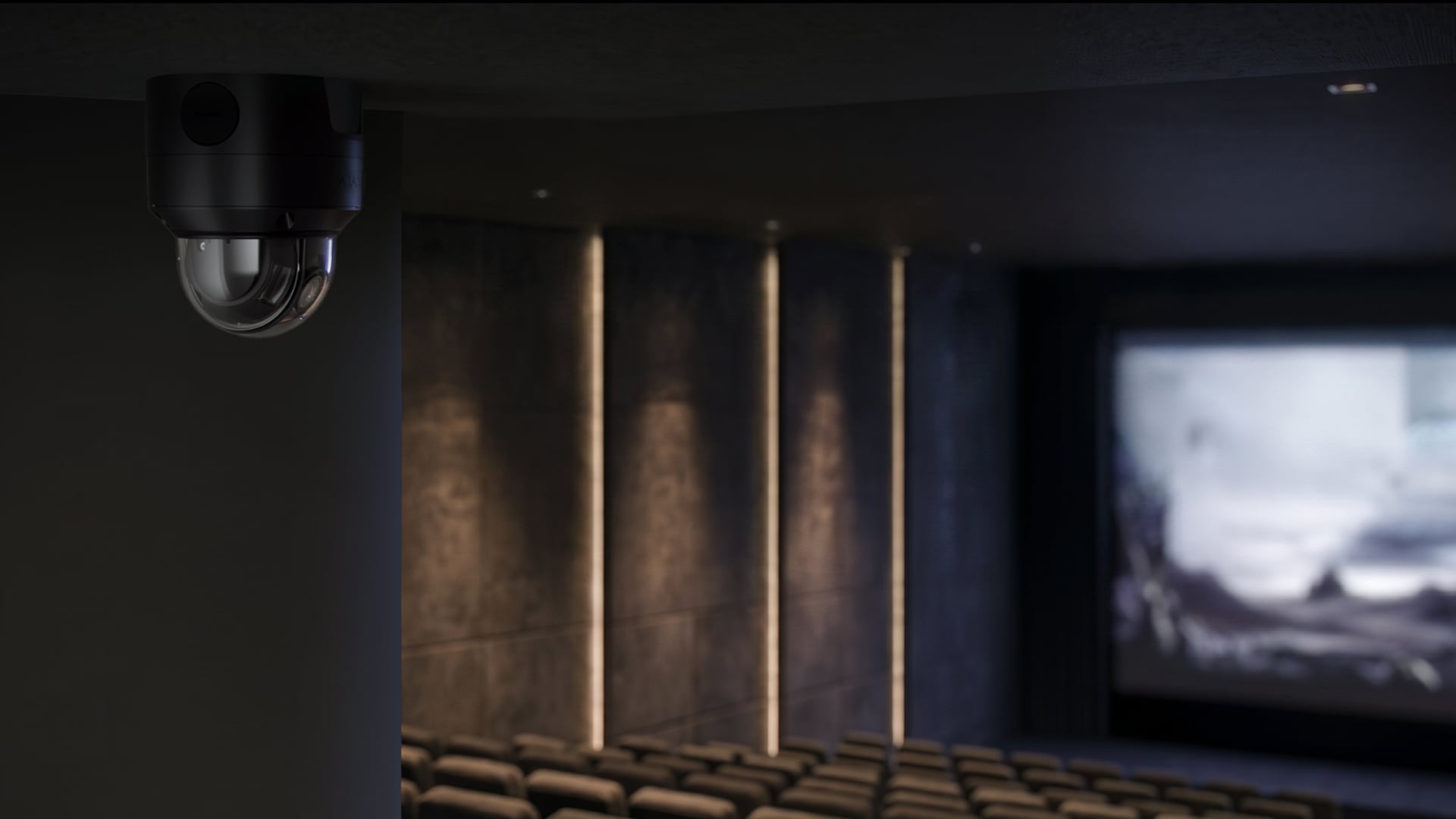
Do movie theaters have cameras?
Yes, most movie theaters have security cameras — and for a good reason. Whether you noticed one on your last visit or just got curious, you're not alone in wondering how much surveillance actually goes on at your local cinema. We will break down where cameras are placed, whether they're inside the auditorium, and what the law says about it all.
Where are cameras usually placed in a movie theater?
The short answer: everywhere people gather in large numbers. Lobbies, main entrances, ticket counters, concession stands, hallways, and the areas right outside screening room doors — these are the standard spots. They see the highest foot traffic, so they're the priority for any theater's security setup.
Exterior areas, such as parking lots and drop-off zones, are often covered as well, depending on the venue's size. Inside the auditorium itself is a different story. Whether a screening room has a camera depends on the theater chain, the country it operates in, and local regulations. It's not a given — and it varies more than most people assume.


Are there cameras inside the screening room?
Some theaters have them, some don't. Larger multiplex chains are more likely to install cameras inside auditoriums — mainly to catch illegal recording of films and to monitor for safety incidents in a dark, crowded space. In some countries, anti-piracy laws actively encourage or require this kind of monitoring in commercial venues.
Smaller, independent, or older cinemas often skip it entirely. The cost of the equipment, combined with legal uncertainty surrounding recording people in darkened rooms, leads many operators to opt out.
So if you're wondering whether the hall you're sitting in has a camera — the honest answer is maybe. There's no universal rule.
Why do theaters install security cameras?
A few clear reasons drive most of these decisions.
- Theft and vandalism deterrence. Cameras in lobbies, concession areas, and hallways discourage shoplifting, vandalism, and opportunistic crime. Their presence alone is often enough.
- Anti-piracy monitoring. Recording a film in a cinema is illegal in most countries. Cameras inside auditoriums help staff spot anyone pointing a phone or handheld device at the screen.
- Crowd and staff management. Footage helps managers see where crowds form during busy screenings, track staff movement, and respond to incidents faster than they could otherwise.
- Emergency documentation. If something goes wrong — a fall, a medical emergency, a fight — recorded footage becomes an important record for both the theater and emergency responders.
- Insurance. Many insurers require or reward documented surveillance. It simplifies claims and reduces the theater's liability exposure.
These same priorities apply to any business open to the public, not just cinemas — retail stores, offices, and event venues all rely on the same logic. Choosing the right security camera for a space this size usually comes down to coverage, image quality in low light, and how easily footage can be reviewed when needed.
How to detect a night vision camera in a theater
Curious whether the theater room you're in has a camera? There are a few things to look for — no special equipment needed. Dome shapes in ceiling corners. The most common type of camera used in cinemas is a dome camera — a small, dark hemisphere mounted flush against the ceiling. Check the corners and the rear of the auditorium.
- Faint IR glow. Night vision cameras use infrared LEDs to see in low light. In a dark room, you may catch a faint reddish glow from these LEDs if you know where to look — typically around the camera lens itself.
- Blinking LEDs. Some cameras have a small indicator light that blinks during recording. Easy to miss, but visible once you're looking for it.
- Signage. Many theaters post notices at entrances or inside the venue stating that CCTV is in operation. This is often a legal requirement — so the signage itself is your clearest signal.
If you're genuinely unsure, asking a staff member is always an option. They may not know every camera location, but they can usually confirm whether the venue is monitored.
If a venue is taking surveillance seriously, you'll usually find a mix of camera types rather than just one — dome cameras in corners, wider-angle units in hallways, and sometimes models with stronger low-light performance near entrances. Looking into a few good CCTV camera options gives a decent sense of what's actually being used in spaces like this, and why some cameras are easier to spot than others.

Are cameras in movie theatres legal?
Generally, yes, but with some important distinctions.
In public areas like lobbies, hallways, ticket counters, and concession stands, video surveillance is legal in virtually every country. These are openly accessible spaces, and monitoring them is standard practice across commercial venues of all kinds.
Inside the auditorium, the picture gets more complicated. Some jurisdictions allow it for security and anti-piracy purposes; others impose stricter rules around recording people in enclosed spaces. Theaters operating in those regions need to adjust both the placement and the scope of their camera coverage.
One requirement that appears consistently across most legal frameworks is notice. Theaters are typically obligated to inform visitors that surveillance is in place — usually through posted signs at entrances. If you see that sign, the cameras are there legally. If you don't see one and still suspect monitoring, that's worth questioning.

FAQ
Do all movie theaters have cameras?
No. Most modern multiplexes do, particularly in public areas. But smaller, independent, and older cinemas may have limited or no camera coverage. There's no industry-wide requirement.
Can theater cameras see in the dark?
Many can. Cameras used in auditoriums are often equipped with infrared or low-light capability precisely because screening rooms are dark. They don't need visible light to capture usable footage.
Do theaters record inside the auditorium?
Some do, some don't. Larger chains are more likely to. Whether footage is stored — and for how long — depends on the theater's internal policy and local data retention laws.
Is it legal to film inside a movie theater?
Recording a film being screened is illegal in most countries under copyright and anti-piracy laws. Filming other people inside the venue without consent may also violate privacy laws, depending on the jurisdiction.
Conclusion
Most movie theaters do have cameras, though the number and placement depend on the venue. Public areas are almost always monitored; auditoriums vary. For commercial spaces that handle large numbers of people daily, a well-planned surveillance setup isn't just a security measure — it's a basic operational necessity. Professional venues typically build these systems around reliable, scalable hardware that covers every critical zone without gaps.


